
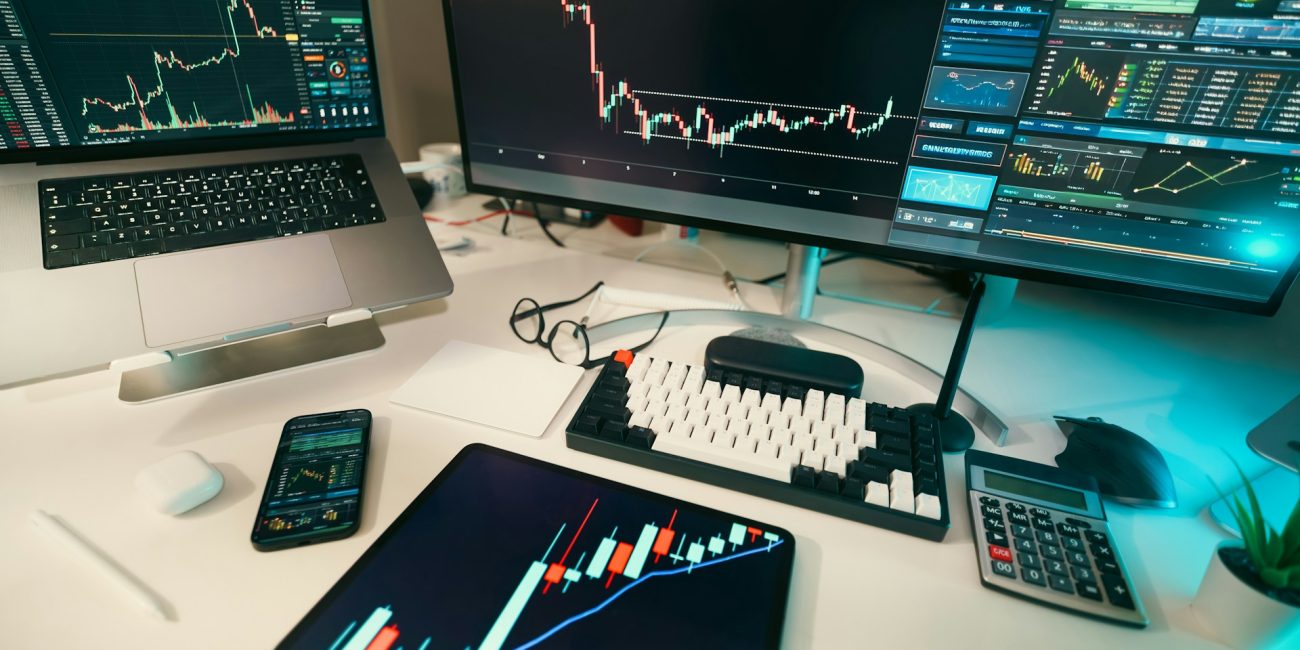
Trade technology refers to the technologies, digital systems, software, networks, and automated processes used to make domestic and international trade faster, safer, more efficient, and more transparent. It covers the entire process of moving goods, services, documents, payments, and information between buyers, sellers, financial institutions, logistics companies, governments, and other participants in commerce.
In traditional trade, many activities depended on paper documents, physical signatures, telephone calls, manual data entry, and face-to-face transactions. Trade technology replaces or improves many of these processes through digital platforms. For example, a company importing goods from another country can use digital systems to place an order, verify the supplier, arrange transportation, prepare customs documents, obtain trade finance, track the shipment, and make payment.
One important part of trade technology is electronic trade documentation. International transactions can involve invoices, purchase orders, bills of lading, certificates of origin, insurance documents, customs declarations, and other records. Digital documentation allows these records to be created, transmitted, verified, stored, and shared electronically. This can reduce paperwork, processing time, administrative costs, and the possibility of errors.
Electronic data interchange and application programming interfaces are also important. They allow different companies and systems to exchange information automatically. A manufacturer, bank, shipping company, customs authority, and retailer may use different computer systems, but technology can allow relevant information to move between them without requiring employees to repeatedly enter the same data.
Blockchain and distributed-ledger technology can be used to create shared records of transactions and trade documents. The potential advantage is that multiple parties can have access to a consistent record without relying entirely on one central database. Blockchain has been explored for areas such as supply-chain tracking, digital trade documents, verification of goods, and trade finance. Its practical usefulness depends on standards, legal recognition, interoperability, privacy, and adoption by participating organizations.
Artificial intelligence and machine learning are increasingly relevant to trade technology. AI can help businesses analyze markets, forecast demand, identify unusual transactions, automate document processing, assess risks, classify products, and detect possible fraud. For example, an international trading company may use data analysis to estimate demand for a product in different countries before deciding how much inventory to ship.
Trade finance technology, often called fintech in this context, helps companies obtain and manage financing for international transactions. Banks and financial technology companies can use digital systems to process letters of credit, supply-chain finance, invoice financing, guarantees, and other trade-finance instruments. Automation can make verification and processing faster while allowing financial institutions to monitor risks more effectively.
Payment technology is another major area. International trade requires businesses to transfer money across borders and currencies. Digital payment networks, banking platforms, foreign-exchange systems, and emerging payment technologies can make cross-border payments faster and easier. Technology can also improve transaction monitoring and compliance with regulations concerning money laundering, sanctions, and financial crime.
Logistics and supply-chain technology connects trade with transportation. GPS, Internet of Things devices, warehouse-management systems, electronic tracking, automated warehouses, sensors, and cloud platforms allow companies to monitor goods as they move through factories, warehouses, ports, airports, ships, trucks, railways, and distribution centers. This provides businesses with greater visibility over where goods are and when they are expected to arrive.
Customs and border technology is particularly important for worldwide trade. Governments increasingly use electronic customs systems, automated declarations, risk-management systems, digital identification, cargo scanning, and data analytics to process international shipments. These technologies can help authorities identify high-risk shipments while allowing lower-risk shipments to move more efficiently.
Trade technology also supports e-commerce and digital trade. Businesses can sell products and services internationally through online marketplaces and their own websites. Digital platforms can connect buyers and sellers across borders, while payment systems, logistics platforms, translation tools, tax software, customer-management systems, and automated fulfillment technologies help businesses operate internationally.
Cybersecurity is a critical component of trade technology. Because international trade depends heavily on digital systems, companies face risks such as data theft, payment fraud, ransomware, unauthorized access, and manipulation of business information. Strong authentication, encryption, access controls, monitoring, backups, and cybersecurity policies are therefore essential for protecting trade operations.
Trade technology also improves transparency and traceability. A company may be able to follow a product from its original manufacturer through multiple stages of transportation and distribution. This can help businesses verify suppliers, manage recalls, demonstrate compliance with regulations, monitor quality, and provide customers with information about where products came from.
Another important development is the creation of digital trade corridors. These are systems in which businesses, banks, logistics providers, ports, customs authorities, and other organizations use compatible digital processes to exchange trade information. The goal is to reduce friction between different countries and organizations. International trade is particularly complicated because each country can have different regulations, tax requirements, customs procedures, currencies, legal systems, and documentation standards.
Trade technology therefore involves much more than simply buying and selling products online. It is an ecosystem connecting commerce, banking, finance, logistics, customs, cybersecurity, data, artificial intelligence, telecommunications, and government systems.
Worldwide, the importance of trade technology continues to increase because global supply chains involve thousands of organizations operating across multiple countries. Technology can reduce transaction costs, shorten processing times, improve visibility, increase access to markets, and help businesses manage increasingly complex international regulations.
However, trade technology also creates challenges. Countries and companies may use different technical standards, regulations, and digital systems. Smaller businesses may lack the money or expertise required to adopt advanced technologies. Cybersecurity threats can disrupt trade, while excessive dependence on digital infrastructure can create new operational risks. There are also concerns involving data privacy, digital sovereignty, technological inequality, and the legal recognition of electronic documents.
In simple terms, trade technology is the digital infrastructure that helps modern trade happen. It connects the buyer and seller, facilitates financing and payment, manages documents, moves information and goods through supply chains, assists customs and regulators, and provides the technology needed to make domestic and international commerce more efficient.

Is UK education harder than the US?
What is the best free game for adults?




No Comment! Be the first one.