
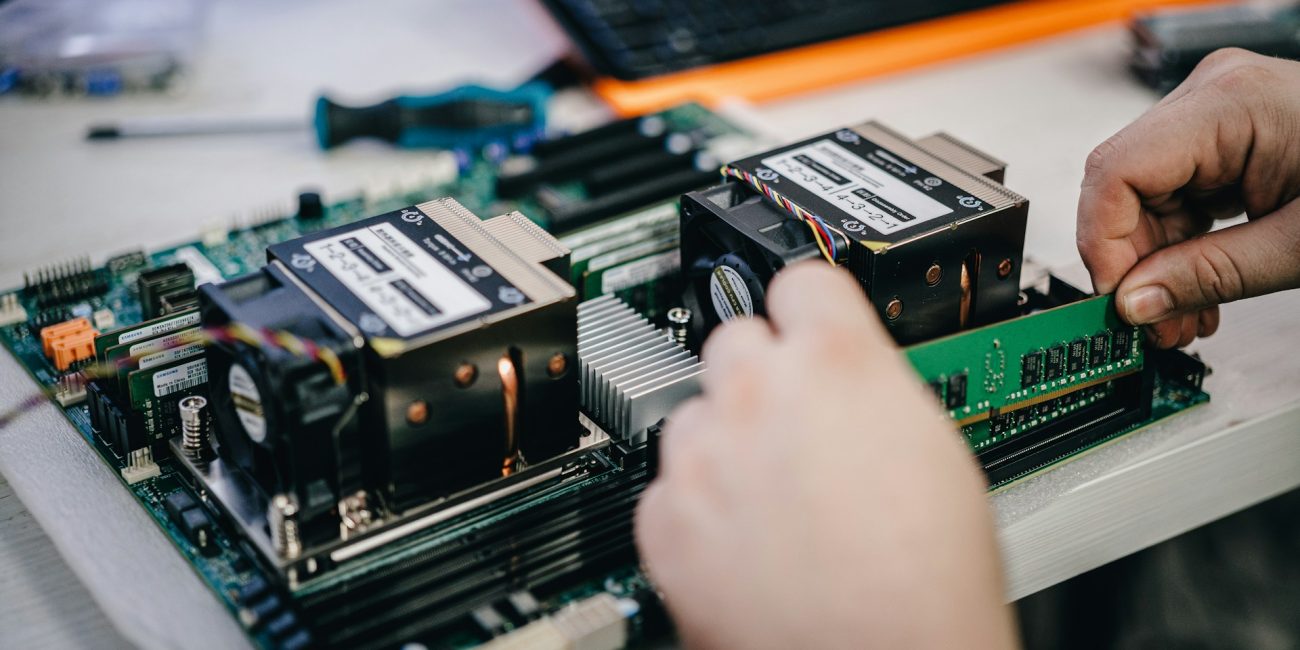
If you enjoy working with circuits, computers, electrical systems, or electronic devices, there are many career paths available across industries such as manufacturing, healthcare, telecommunications, aerospace, automotive, and consumer technology.
1. Electronics Technician
Electronics technicians install, test, troubleshoot, repair, and maintain electronic equipment. They may work on communication systems, medical devices, factory automation equipment, or consumer electronics.
Typical duties:
- Diagnosing faulty components
- Replacing circuit boards and electronic parts
- Using oscilloscopes, multimeters, and soldering equipment
- Performing preventive maintenance
2. Electronics Engineer
Electronics engineers design new electronic products and improve existing ones. They create circuits, develop prototypes, test designs, and ensure products meet safety and performance standards.
Industries:
- Consumer electronics
- Telecommunications
- Defense
- Medical technology
- Renewable energy
3. Embedded Systems Engineer
These professionals develop hardware and software for devices that contain dedicated computers, such as smart appliances, drones, medical equipment, and automobiles.
4. PCB (Printed Circuit Board) Designer
PCB designers create the layouts that connect electronic components on circuit boards. Their work is essential for everything from smartphones to industrial machines.
5. Field Service Engineer
Field service engineers travel to customer locations to install, repair, and maintain electronic systems and equipment.
6. Telecommunications Technician
They install and maintain communication systems including fiber optics, wireless equipment, networking hardware, and communication towers.
The word scam sometimes appears in discussions about fake electronics repair jobs or fraudulent job offers, so it’s important to verify employers before accepting a position.
7. Robotics Technician
Robotics technicians build, maintain, and troubleshoot robots used in manufacturing, logistics, healthcare, and research.
8. Industrial Maintenance Technician
These technicians maintain electronic control systems in factories, including programmable logic controllers (PLCs), sensors, motors, and automated machinery.
9. Biomedical Equipment Technician
They repair and maintain medical devices such as patient monitors, infusion pumps, MRI support systems, ventilators, and diagnostic equipment.
10. Avionics Technician
Avionics technicians work on the electronic systems used in aircraft, including navigation, communication, radar, and flight-control equipment.
11. Semiconductor Process Technician
These professionals help manufacture computer chips by operating sophisticated fabrication equipment and performing quality inspections.
12. Test Engineer
Test engineers verify that electronic products function correctly under different operating conditions before they reach customers.
13. Electronics Manufacturing Engineer
They improve production processes, reduce defects, and ensure efficient assembly of electronic products.
14. IoT (Internet of Things) Engineer
IoT engineers create connected devices such as smart home products, wearable technology, industrial sensors, and intelligent monitoring systems.
15. Renewable Energy Technician
These technicians install and maintain electronic systems used in solar power, wind turbines, battery storage, and energy management.
Skills commonly needed
- Circuit analysis
- Soldering and PCB assembly
- Reading schematics
- Digital and analog electronics
- Microcontrollers
- Programming (C, C++, or Python for some roles)
- Troubleshooting and fault diagnosis
- Test equipment operation (multimeters, oscilloscopes, logic analyzers)
Education
Depending on the role, employers may look for:
- Technical certificate or diploma in electronics
- Associate degree in electronics technology
- Bachelor’s degree in electronics, electrical engineering, or a related field
- Industry certifications for specialized equipment or systems
Career outlook
Electronics skills are used in many sectors, including automation, healthcare, aerospace, automotive, telecommunications, robotics, and consumer technology. As devices become more connected and automated, professionals with strong electronics knowledge continue to be in demand across a wide variety of technical careers.

How is AI changing technology?
What is the biggest education problem in the world?





No Comment! Be the first one.