
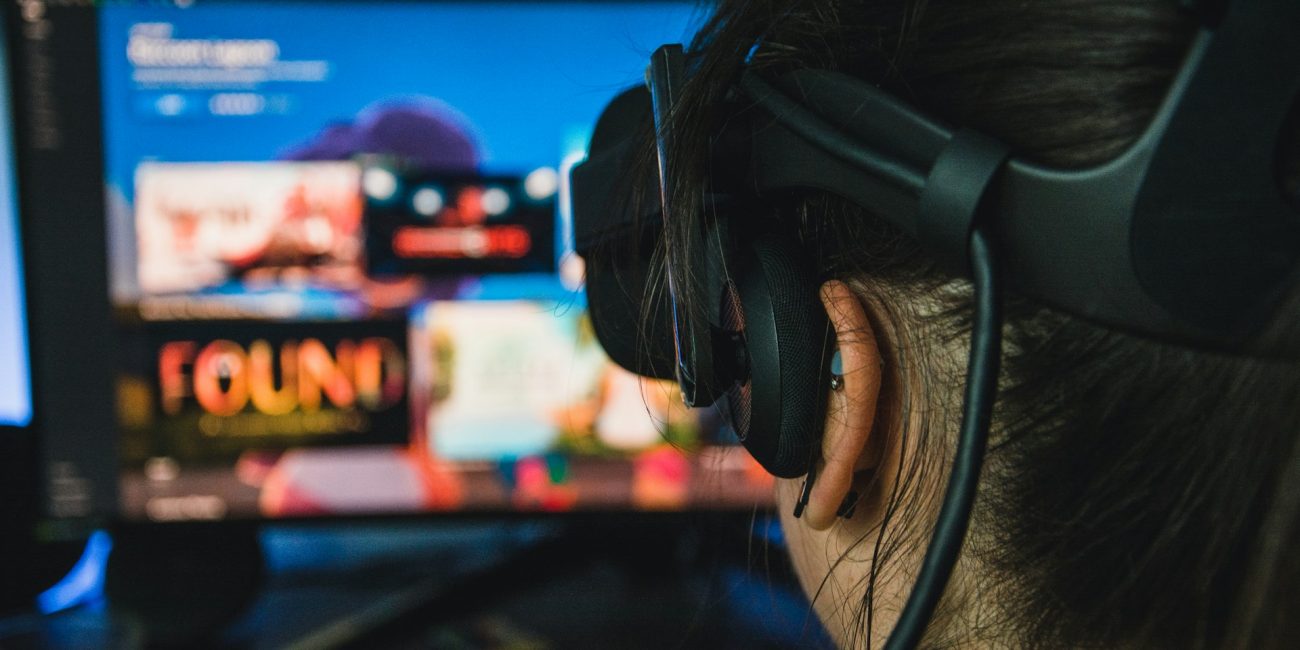
Online games can be good for your brain — but it depends on what type of game, how long you play, and your overall habits.
Here’s a clear breakdown:
✅ Potential Benefits of Online Games
- Better Problem-Solving & Strategic Thinking
Games that require planning, resource management, or strategy (like puzzle games, RTS, or MOBAs) improve:
- Logical reasoning
- Decision-making
- Pattern recognition
- Improved Attention & Focus
Action games and fast-paced games can boost:
- Visual attention
- Reaction time
- Ability to track multiple objects
- Enhanced Memory
Games with quests, maps, and complex worlds boost:
- Working memory
- Long-term memory
- Spatial memory
- Social Benefits
Multiplayer games:
- Improve teamwork
- Strengthen communication
- Build social confidence
- Stress Relief
Casual games can help relax the brain and reduce anxiety.
❌ Potential Downsides
- Addiction & Overuse
Too much gaming can:
- Reduce real-life productivity
- Increase stress
- Affect sleep
- Reduced Physical Activity
Sedentary gaming can impact health if not balanced with exercise.
- Toxic Online Environments
Competitive games sometimes expose players to:
- Harassment
- Verbal abuse
- Frustration
- Shorter Attention Span (in some cases)
Jumping between fast-paced games can make slower tasks feel boring.
🎯 Healthy Gaming Tips
- Limit gaming to 1–2 hours per day (for leisure).
- Take breaks every 45–60 minutes.
- Avoid gaming right before bed.
- Balance with physical activity.
- Choose brain-friendly games (strategy, puzzles, narrative games).
🧠 Overall Conclusion
Online games can be good for your brain when played in moderation and when you choose mentally stimulating games. The key is balance.

Is education still important with AI?
How is the education system in the USA?




No Comment! Be the first one.